
SaveMaxAuto | State Rates & Reviews
Step-by-step walkthroughs on buying, switching, saving, and understanding your auto insurance.
Secured with SHA-256 Encryption


By Taleah McGuire
•Apr 24, 2026
•15 min read
Arkansas Auto Insurance Rates: What Tornado Alley Actually Does to Your Premium
Tornado Alley isn't just a geographic designation — it's an actuarial one. Drivers who live in the storm corridor pay for every tornado season that came before them, whether their car was ever touched or not. The premium you see at renewal reflects years of claims data from storms you may have never personally experienced.

By Brooke Grissom
•Apr 24, 2026
•16 min read
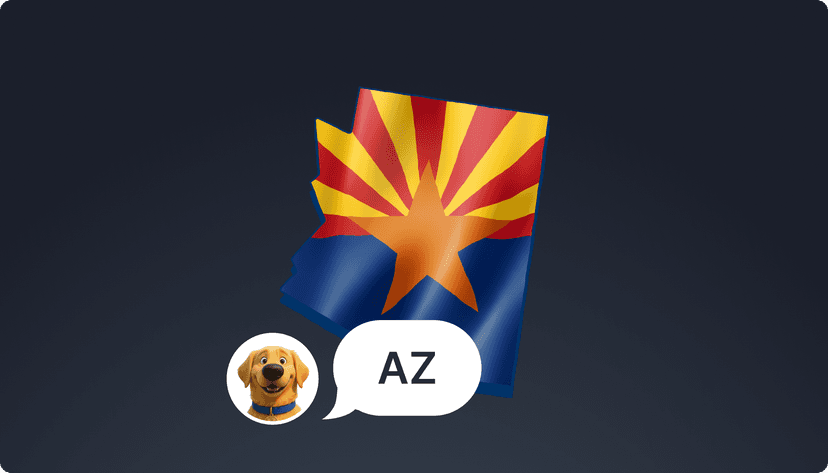
Arizona Auto Insurance: Why Lenient Rate Regulations Are Quietly Costing Drivers More
Arizona gives insurers more pricing freedom than almost any other state, and most drivers have no idea that's why their bill keeps climbing. No prior approval required, no meaningful cap on increases, and a desert heat environment that accelerates vehicle damage — all three work against you at every renewal.

By Brooke Grissom
•Apr 24, 2026
•15 min read
Alaska Auto Insurance: Why Remote Living, Oil Workers, and Moose Are Pricing You Out
Alaska's insurance market isn't expensive because of traffic — it's expensive because of everything that happens *between* the traffic. ##
By Brooke Grissom
•Apr 24, 2026
•16 min read
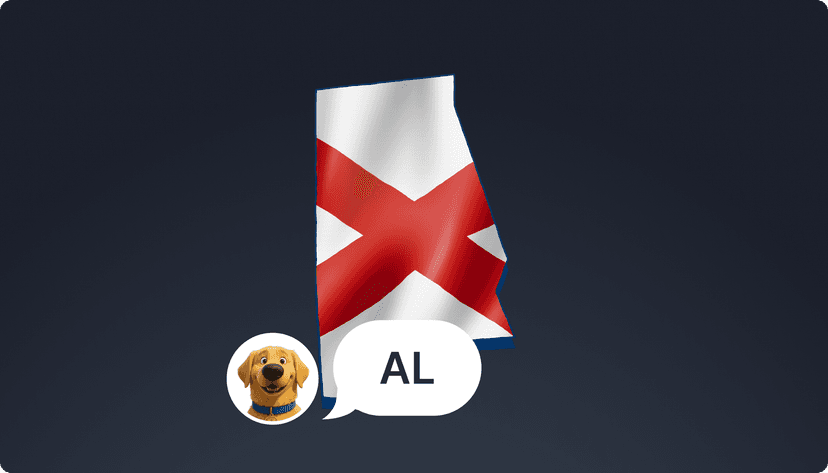
Alabama Auto Insurance: How Geography, Storms, and 14% Uninsured Drivers Shape What You Pay
Most Alabama drivers assume their premiums are high because of traffic or cost of living. The real answer is more specific. Tornado corridors in the north, hurricane exposure on the Gulf Coast, and a 14 percent uninsured driver rate statewide combine to push every policy higher than the state's modest demographics would otherwise produce.


By Aaren Ramon
•Apr 24, 2026
•16 min read
Hawaii Auto Insurance Costs: What Island Life, Tourism, and Geographic Isolation Actually Do to Your Rates
Hawaii drivers pay above the national average for auto insurance, and the reasons have almost nothing to do with how they drive. Tourist rental cars, repair shops that can't get parts fast enough, and geographic isolation from the mainland supply chain quietly inflate every policy in the state.
Tips, guides, & insights

Secured with SHA-256 Encryption