
Could Someone Use Your Address to Steal $4,000 a Year in Auto Insurance Savings?
A stranger's auto insurance letters kept arriving at a Webster, New York home, and the couple who lives there had never heard the name on the envelope. That unsettling story, reported by WHEC.com (News10NBC), is drawing attention to a growing scheme called garaging insurance fraud, where someone deliberately registers a vehicle at a low-rate...


Published: Sep 15, 2026
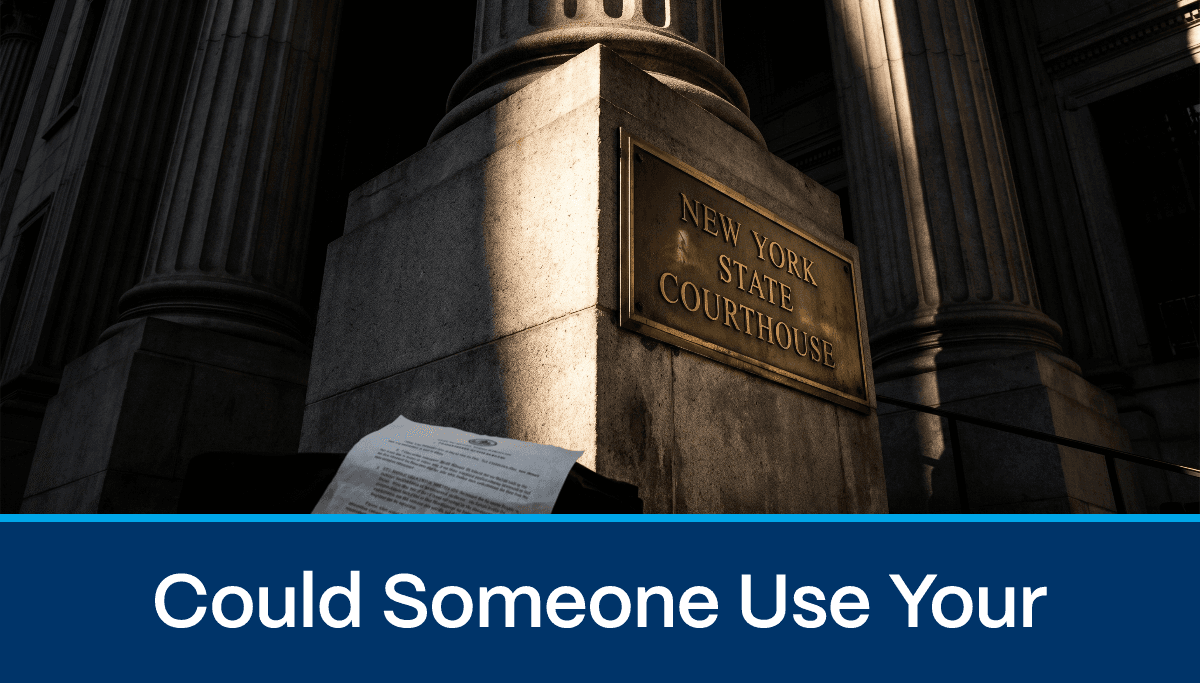
A stranger's auto insurance letters kept arriving at a Webster, New York home, and the couple who lives there had never heard the name on the envelope.
That unsettling story, reported by WHEC.com (News10NBC), is drawing attention to a growing scheme called garaging insurance fraud, where someone deliberately registers a vehicle at a low-rate address to slash their premiums. According to WHEC.com (News10NBC), the innocent homeowners in this case had no idea their address had been used until Progressive Insurance letters started arriving, letters addressed to someone they had never met. If you suspect something similar has happened to you, this article explains what garaging fraud is, who pays the price, and exactly what to do next.
Strange letters, a stranger's name: How one Webster couple stumbled onto a suspected fraud scheme
Kristi and John Stever have lived in their Webster, New York home for more than 31 years. Then, in March, a letter from Progressive Insurance arrived at their door, addressed not to them, but to a man named Norbelto Colon de la Rosa.
"We've been here for more than 31 years and we've never seen that name attached to the previous owners either," Kristi Stever said.
The Stevers initially assumed it was a clerical error. Then came a second letter. Then a third. Then a fourth, all arriving in August.
When Kristi shone a flashlight through one of the unopened envelopes, the contents were visible enough to read: Progressive had "reinstated" a policy linked to their home address. The Monroe County Clerk's database confirmed that the name Norbelto Colon de la Rosa had never been associated with their Webster address.
The only person by that name News10NBC could locate in all of New York lives in an apartment tower in the East Bronx, not Webster.
"We're very concerned. It causes us stress because we're not sure what's happening," Kristi Stever said. "Is he trying to take our home? What if he gets in an accident? How does that affect us?"
That fear is entirely legitimate. And it points to a fraud scheme that insurers, regulators, and now ordinary homeowners are increasingly confronting.
What garaging fraud actually is, and why fraudsters need your address
Garaging, also called rate evasion, is straightforward in concept. A car owner who lives in a high-cost insurance area registers their vehicle at a different address, typically in a quieter, lower-risk neighborhood, to pay premiums calculated for that cheaper ZIP code.
The scheme requires one critical ingredient: a plausible address in a low-rate area. That is exactly what makes unsuspecting homeowners like the Stevers valuable to fraudsters. Their address in Webster, a suburban Monroe County community, carries far lower actuarial risk than a dense urban neighborhood like the East Bronx.
Insurers calculate rates based on factors tied directly to where a car is "garaged" overnight. Dense urban environments with higher rates of accidents, vandalism, and theft generate higher premiums. Quiet suburban or rural addresses produce lower ones. The bigger that gap, the bigger the incentive to lie.
For New York drivers, understanding how ZIP code affects your premium is not academic, it is the difference of thousands of dollars per year. Neighboring New Jersey drivers and Pennsylvania drivers face similarly steep urban-suburban premium spreads that make garaging fraud attractive in the broader tri-state corridor.
How much money is at stake: the premium gap that drives the scheme
The financial motive here is not trivial.
According to the News10NBC investigation, if someone had a car in the East Bronx and insured it in Webster, they would save almost $4,000 a year (WHEC.com News10NBC).
That is the annual reward for successfully exploiting a suburban address like the Stevers'. To put that in perspective, consider what drives the gap:
| Traffic density | Very high | Low to moderate |
| Accident frequency | Higher | Lower |
| Vandalism and theft risk | Higher | Lower |
| Resulting premium level | Significantly higher | Significantly lower |
| Estimated annual savings from scheme | Nearly $4,000 | (Baseline) |
The Save Max Quote Index, drawn from 3.3 million+ real quote requests, consistently shows that ZIP code is among the most powerful pricing variables in auto insurance, often more impactful than the driver's age or vehicle type. Per the SMQI, urban policyholders in high-density metros routinely pay multiples of what comparable drivers in suburban ZIP codes pay for identical coverage levels.
That gap is the entire engine behind garaging fraud. Nearly $4,000 in annual savings is enough to motivate deliberate, repeated action, including obtaining fraudulent identification.
What happens to the innocent homeowner whose address is hijacked
John Stever put it plainly: "Why they're doing it, I don't know. But it worries us because it could come back to us because of our address."
He is right to worry. When a fraudulent policy is tied to your home address, you are not just an inconvenienced bystander. You become a thread in a legal and financial web you never agreed to enter.
Here is the core risk: if the policyholder is involved in an accident while their vehicle is fraudulently listed at your address, questions about coverage validity will arise. A voided or disputed policy, which carriers can pursue when fraud is discovered, could leave injured parties without a paid claim. Depending on how those disputes resolve, the address of record can become relevant to investigators, attorneys, or civil proceedings.
There is also the question of identity-adjacent exposure. While no evidence in this case suggests the Stevers' personal information was stolen, having your address attached to a fraudulent insurance policy means your home appears in carrier records, claim systems, and potentially motor vehicle databases in connection with someone else's vehicle.
Kristi Stever called Progressive to request cancellation of the policy linked to her address. She was told the person who obtained the policy had presented ID listing her address as his own.
That detail matters enormously, and it leads directly to the next question.
How fraudsters get past carrier verification, and what insurers are supposed to do
Carriers ask for proof of address at the time of policy application. The standard instrument is a government-issued ID, a driver's license, state ID, or similar document.
In the Stever case, Kristi was told by Progressive that the applicant presented ID listing their Webster address. That means either a fraudulent ID was created listing someone else's address, or the address field was manipulated in some way that passed initial review.
Progressive received outreach from News10NBC on a Friday and again on a Monday. The company stated it is investigating the matter.
Most major carriers have fraud investigation units. When a suspected garaging scheme is flagged, investigators typically look at driving patterns, telematics data if available, the address history on the applicant's ID, and whether the vehicle has been observed in the claimed garage location. That process takes time, and in the interim, the policy may remain active, as the "reinstated" status on the Stevers' letters suggests.
For homeowners, the unsettling reality is that carrier verification systems are not foolproof. A determined fraudster with a convincing false ID can clear basic underwriting checks. The responsibility then shifts to detection after the fact.
What this means for you
Search your name and address together in your state's insurance department lookup tools to check for policies you did not authorize. Contact your carrier immediately if unfamiliar mail from another insurer arrives at your home and request written confirmation that no policy is listed at your address for any other named insured. File a report with your state insurance department's fraud division, do not wait for a second or third letter to confirm the pattern. Document every piece of mail you receive and photograph the envelopes before opening them, as they may become evidence.
FAQ
What is garaging insurance fraud?
Garaging fraud, also called rate evasion, occurs when a vehicle owner insures their car using an address in a lower-cost ZIP code rather than where the car is actually kept. Insurers price policies based on the garaging location, so a fraudster using a suburban address for a car kept in an expensive urban area pays significantly less than they should.
Can I be held legally responsible if someone fraudulently uses my address on an insurance policy?
You are generally not liable for a policy you did not apply for or authorize. However, your address appearing in carrier records and potentially in claim proceedings can create complications. It is important to formally dispute the policy with the carrier in writing and file a report with your state insurance fraud bureau to create a documented record that you are a victim, not a participant.
How do I find out if someone has used my address to get auto insurance without my knowledge?
Start by contacting your state's Department of Motor Vehicles and Department of Financial Services or Insurance Department. You can also contact major carriers directly to ask whether any policy lists your address for a named insured you do not recognize. Keeping a close eye on unexpected mail from insurance companies is often the first practical signal, as it was for the Stevers.
What should I do if I receive insurance letters addressed to a stranger at my home?
Do not ignore them. Contact the carrier identified on the letter, explain that the named individual does not reside at your address, and request written confirmation that the policy will be canceled and your address removed. File a complaint with your state insurance fraud hotline. Save every letter and envelope as documentation.
Will a fraudulent policy at my address affect my own insurance rates?
There is no direct mechanism by which another person's fraudulent policy at your address raises your own premiums immediately. However, if a claim is filed under that fraudulent policy and investigations involve your address, the indirect disruption, including time spent with investigators and potential credit or identity flags, can be significant. Proactive reporting is the fastest way to protect yourself.
How to report suspected garaging fraud in New York
If you suspect your address has been used in a garaging scheme, here are the official channels to contact:
- File a complaint with the New York State Department of Financial Services at dfs.ny.gov, which regulates insurance carriers operating in the state
- Report the fraud to the New York State Insurance Fraud Bureau, a unit within the DFS dedicated specifically to insurance fraud investigations
- Contact the carrier's own fraud hotline, major carriers including Progressive maintain dedicated fraud tip lines separate from standard customer service
- File a report with your local law enforcement agency, particularly if you believe a fraudulent government-issued ID was used to obtain the policy
- Notify the Monroe County Clerk's office if your property records are being misrepresented, as the Stever case involved a check of that database to confirm the fraudster's name was never legitimately tied to the address
- If you are in the Webster or Monroe County area, News10NBC has invited affected residents to contact their investigative team at 10investigates@whec.com
About Aaren Ramon
Aaren Ramon is a Senior Analyst at Save Max Auto and owner of Elite Shield Agency. He covers carrier moves, regional insurance markets, and consumer-impact reporting from the agency-owner perspective. Read more from Aaren Ramon →
Edited by Kyle Greenwood.
Methodology
This article is grounded in the source linked above. Save Max Auto data points referenced here are drawn from the Save Max Quote Index (SMQI), a proprietary instrument reflecting 3,364,317 real consumer quote requests submitted to savemaxauto.com. State and carrier rankings reflect the lifetime dataset; year-over-year shifts reflect a rolling 12-month window. The index is refreshed monthly. External authority figures referenced (NAIC, NHTSA, state regulators) reflect the most recent public data releases available at time of writing.
Sources
- Primary source: WHEC.com (News10NBC), "Webster couple says unknown man used their address for auto insurance policy in suspected 'garaging' scheme"